
Exploring the intricate threads that makeup Uganda’s development, this article delves into the symbiotic relationship between travel and equipment hauling. These two elements intricately contribute to the vibrant tapestry that shapes Uganda’s progress, influencing infrastructure growth, economic prosperity, and the overall transformation of its landscape.
Interconnected Threads
Travel and equipment hauling, seemingly disparate elements, are tightly woven into the fabric of Uganda’s development. The movement of people and goods creates a dynamic network, propelling the nation forward. It’s a tale of interconnectedness, where the roads traveled and the machinery mobilized to tell stories of progress, resilience, and a nation’s determination to flourish.
Equipment Hauling: A Comparative Glance
To truly understand the significance of equipment hauling in Uganda, let’s draw a quick comparison with its counterpart in San Jose, CA – equipment hauling San Jose.
In San Jose, equipment hauling is often confined to the demands of urban development and construction projects. The bustling cityscape requires a constant influx of machinery to sustain its growth. However, the emphasis is primarily on maintaining and enhancing existing infrastructure, with a focus on metropolitan areas.
Contrastingly, Uganda’s equipment hauling is a lifeline for both urban centers and the rural heartlands. The diverse terrain, from cityscapes to remote villages, demands a versatile approach. Equipment hauling in Uganda becomes a narrative of inclusivity, reaching every corner to facilitate development on a broader scale.
Navigating Uganda’s Landscape
Uganda’s topography, marked by lush landscapes and challenging terrains, amplifies the significance of equipment hauling. The journey is not merely about transporting machinery but overcoming natural obstacles that define the nation’s character.
From the bustling capital city of Kampala to the rural landscapes surrounding Lake Victoria, equipment hauling acts as a catalyst for change. It bridges the gap between urban and rural development, ensuring that progress reaches every citizen, and contributing to a more balanced and equitable nation.
Economic Ripples
As the wheels of equipment hauling vehicles traverse Uganda, they set off economic ripples that resonate across the nation. The transportation of machinery fuels local businesses, from maintenance workshops to roadside eateries. The economic impact extends beyond the obvious, creating a web of opportunities for entrepreneurs along the routes traveled.
In San Jose, the economic focus is more localized, with equipment hauling contributing to the immediate needs of ongoing construction projects. While this is crucial for the city’s development, the broader economic implications are not as far-reaching as in Uganda, where each journey becomes a catalyst for inclusive growth.
Infrastructure Growth: Paving the Way Forward
Uganda’s tapestry is interwoven with roads that signify more than mere pathways. They are conduits of progress, connecting cities and villages alike. Equipment hauling plays a pivotal role in paving these pathways, turning dreams of connectivity into tangible realities.
In San Jose, the emphasis is on maintaining and upgrading existing infrastructure. The equipment hauling narrative is one of urban evolution, where the focus is on optimizing and modernizing the city’s foundations. In contrast, Uganda’s equipment hauling is about creating new avenues, opening up possibilities in areas that were once isolated.
Harnessing the Power of Connectivity
The second paragraph brings us to the heart of the matter—equipment hauling in San Jose, CA. In the heart of Silicon Valley, where innovation thrives, the demand for efficient equipment hauling is fueled by the constant need for expansion and improvement. The intricate dance of heavy machinery on San Jose’s streets mirrors the city’s relentless pursuit of progress.
Yet, despite the stark contrast between the urban landscape of San Jose and the diverse terrains of Uganda, the underlying theme remains the same: the power of connectivity. Equipment hauling is not just a physical movement of goods; it is a manifestation of the interconnectedness that defines development in both regions.
READ ALSO: Uganda Travel Guide: Discover Africa’s Pearl
A Roadmap for the Future
As we navigate the stories etched in the roads of Uganda and the streets of San Jose, it becomes evident that each journey is a roadmap for the future. The tapestry of Uganda’s development is vibrant, dynamic, and inclusive, with equipment hauling serving as the loom that weaves progress into the fabric of the nation.
In San Jose, the roadmap is marked by innovation and technological advancement. The equipment hauling industry becomes a key player in shaping the city’s skyline and supporting the ever-evolving landscape of Silicon Valley.
Embracing Diversity
The final threads of this narrative celebrate the diversity inherent in the development stories of Uganda and San Jose. While the challenges and landscapes differ, the common thread lies in the resilience of communities and their determination to embrace progress.
As we conclude this exploration of Uganda’s tapestry, it is clear that the combination of travel and equipment hauling forms the backbone of a nation’s development. It’s a tale of interconnected threads, weaving through the landscapes and streets, creating a fabric that tells the story of progress, prosperity, and the shared aspirations of people on both sides of the globe.







 While Ugandan immigration likely won’t bat an eyelid at your tattoo that you get from a Dallas Texas tattoo shop, a few precautions can ensure a smooth entry process: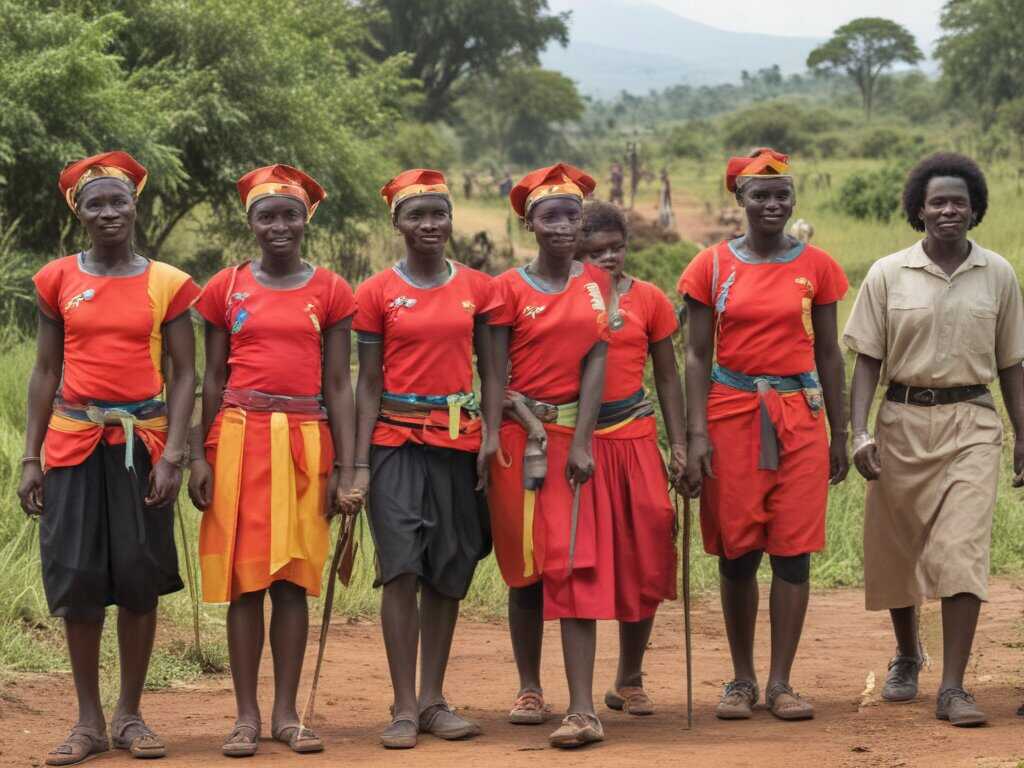

 Uganda’s cultural diversity also plays a significant role in its home decor. With over 65 different ethnic groups, each with its distinctive traditions and customs, the country offers a plethora of design inspirations. From the bold and vibrant patterns of the Buganda people to the intricate beadwork of the Karamojong, Ugandan interior design showcases the diversity of its people, celebrating their unique aesthetics.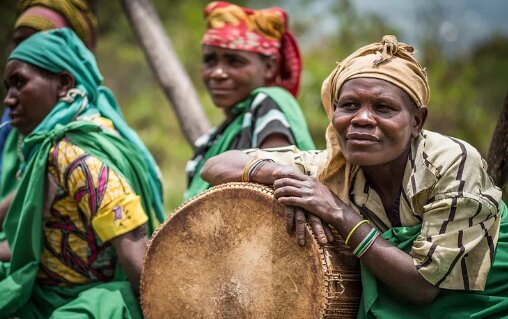





 Uganda is called ‘The Pearl of Africa’ that nature gifts the third country in East Africa.
 Uganda is home to ethnic groups that contains the Nilotes and the Bantus. Each grouping has its own tradition and culture. From their dressing to activities some of the cultures are attractive. You visit the region where the group stay or can sample this at the Ndere centre. Some cultural places to go to Incorporate the Batoro Kingdom among others, the Kabaka Kingdom. This will allow you to understand each group you’re interested in. There are a lot of activities to do in Uganda, and most are adventurous trips. Before I went to Uganda and explored the beautiful country, I checked out my Chiropractor NYC doctor to ask if I am fit for travelling and doing wild adventurous. Good thing I was allowed, and I was able to experience Uganda fully. So, the next time you plan an Africa safari know that you have to spice up your Uganda experience and not just settle on Uganda gorilla trekking safari.
 Welcome to the land of lush landscapes, breathtaking wildlife, and vibrant cultures – Uganda! Nestled in the heart of East Africa, this enchanting country offers a myriad of experiences for travelers seeking both adventure and tranquility. From its diverse wildlife to its warm and welcoming people, Uganda is a destination that will leave you spellbound. In this blog, we’ll delve into the wonders of Uganda, highlighting its captivating attractions, and explore how backlinks outreaching services can enhance your travel experiences.





 Uganda, the Pearl of Africa, is a land of breathtaking landscapes and rich biodiversity. One of its most captivating treasures is the endangered mountain gorillas. Trekking to see these majestic creatures in their natural habitat is an experience that will leave you in awe. Let’s dive into the adventure of discovering Uganda’s primate paradise through trekking to the mountain gorillas.





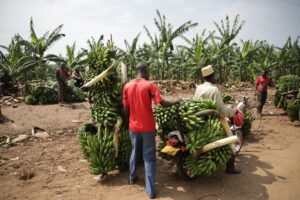 Uganda is a country with a rich and diverse culinary culture, offering a range of delicious starters and snacks that are perfect for tourists to sample during their visit. Whether you’re exploring the bustling streets of Kampala or the scenic countryside, there are plenty of opportunities to discover Uganda’s food scene’s unique flavors and textures.
 The entrepreneurial environment in Uganda has flourished in recent years and has had a substantial impact on stimulating economic growth in the nation. The promotion of entrepreneurship and the growth of small and medium-sized enterprises (SMEs) in Uganda has been a collaborative effort between the government, private sector, and development organizations. Let’s delve into the various programs, policies, and initiatives implemented to boost entrepreneurship and examine their impact on the economy and entrepreneurs.




 One benefit of traveling is the chance to try new things and see how other cultures live. Immersing yourself in different cultures can cause culture shock, but it can also help you learn new skills and find out more about yourself. Most of the time, the best way to learn about a new place and culture is to stay there for a long time. While a short vacation might give you a taste of the place you’re going, student or work exchange programs give you the chance to fully experience a new culture. These kinds of chances give you a network of people to help you get used to your new environment and make it a lot less scary.