



In Uganda, a new wave of creativity is sweeping through the youth, fueled by open-source tools like Bloxstrap that are transforming Roblox game development. These innovative platforms are not only democratizing access to game creation but also empowering young Ugandans to express themselves in many ways. Let’s explore how Bloxstrap is driving this creative revolution and the need for similar access to resources in Ugandan politics.
Boost Creativity with Bloxstrap
Bloxstrap is an open-source, feature-packed alternative bootstrapper for Roblox, designed for Windows PC users and compatible with all versions of Roblox. Users can download Bloxstrap here. Its accessibility and versatility have become catalysts for a new generation of game developers in Uganda.
- Accessible Game Development: Bloxstrap makes it easy for young Ugandans to dive into game development, providing them with the tools they need to bring their ideas to life.
- Versatile Features: With Bloxstrap, developers can create a wide range of games, from simple simulations to complex multiplayer experiences, fostering creativity and experimentation.
Bridging the Digital Divide
In a country where access to resources can often be limited, open-source platforms like Bloxstrap are leveling the playing field for aspiring game developers.
- Equal Opportunity: Bloxstrap allows young Ugandans from all backgrounds to participate in the vibrant world of Roblox game development, regardless of their socioeconomic status.
- Community Collaboration: Through open-source communities, developers can learn from each other, share resources, and collaborate on projects, creating a supportive ecosystem for growth and innovation.
Democratizing Game Development
The democratization of game development with Bloxstrap mirrors the broader push for accessibility and inclusivity in Ugandan politics.
- Empowering the Youth: Just as open-source tools empower young developers, the democratization of political processes can empower young Ugandans to engage in civic participation and shape the future of their country.
- Transparency and Accountability: Open-source principles promote transparency and accountability, values that are crucial in both the gaming industry and politics.
Inspiring Innovation and Expression
Bloxstrap not only provides the means for game development but also serves as a platform for self-expression and storytelling.
- Creative Freedom: With Bloxstrap, developers have the freedom to explore their imaginations and create games that reflect their unique perspectives and experiences.
- Cultural Representation: Roblox games created with Bloxstrap can showcase Ugandan culture, history, and values, allowing developers to share their heritage with a global audience.
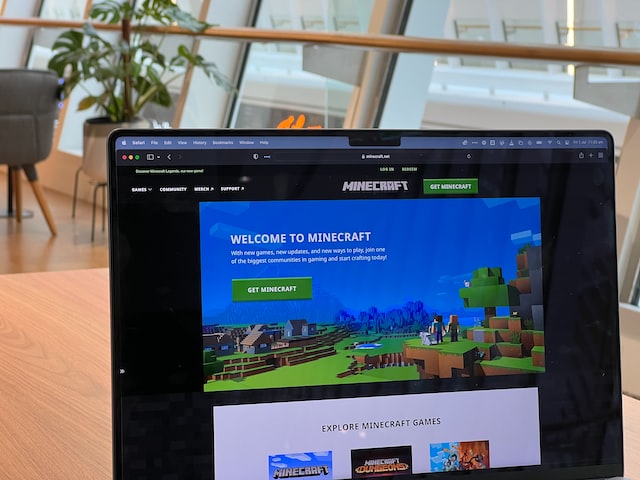
READ ALSO: Can Minecraft Create Social Change? The Impact of the Game on Uganda’s Education
Conclusion
Bloxstrap is more than just a tool for game development; it’s a catalyst for change in Uganda. By empowering young Ugandans to express themselves creatively through Roblox, Bloxstrap is driving a cultural and technological revolution. This movement towards openness, inclusivity, and innovation not only benefits the gaming community but also has the potential to shape the future of Ugandan politics and society.
 While Ugandan immigration likely won’t bat an eyelid at your tattoo that you get from a Dallas Texas tattoo shop, a few precautions can ensure a smooth entry process:

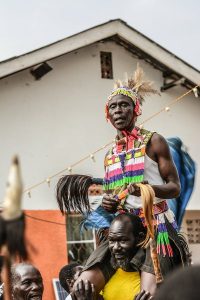
 Uganda’s cultural diversity also plays a significant role in its home decor. With over 65 different ethnic groups, each with its distinctive traditions and customs, the country offers a plethora of design inspirations. From the bold and vibrant patterns of the Buganda people to the intricate beadwork of the Karamojong, Ugandan interior design showcases the diversity of its people, celebrating their unique aesthetics.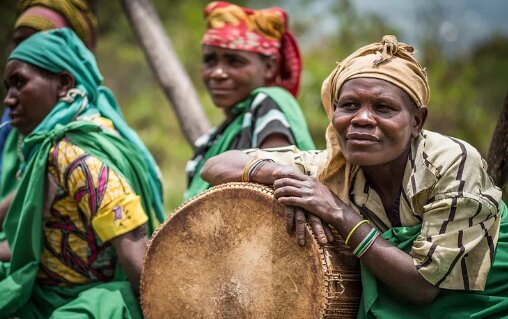



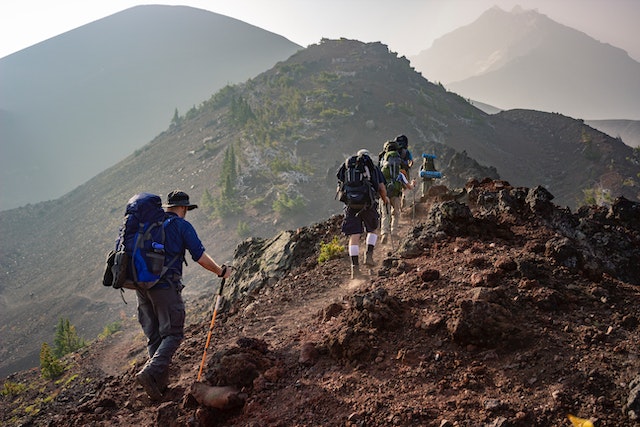
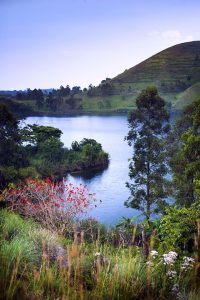 Uganda is called ‘The Pearl of Africa’ that nature gifts the third country in East Africa.
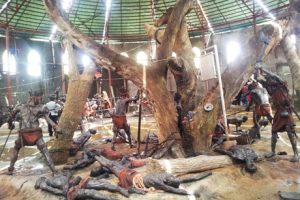
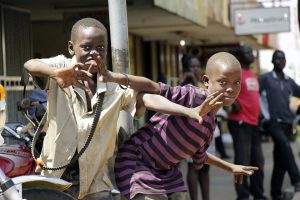 Uganda is home to ethnic groups that contains the Nilotes and the Bantus. Each grouping has its own tradition and culture. From their dressing to activities some of the cultures are attractive. You visit the region where the group stay or can sample this at the Ndere centre. Some cultural places to go to Incorporate the Batoro Kingdom among others, the Kabaka Kingdom. This will allow you to understand each group you’re interested in. There are a lot of activities to do in Uganda, and most are adventurous trips. Before I went to Uganda and explored the beautiful country, I checked out my Chiropractor NYC doctor to ask if I am fit for travelling and doing wild adventurous. Good thing I was allowed, and I was able to experience Uganda fully. So, the next time you plan an Africa safari know that you have to spice up your Uganda experience and not just settle on Uganda gorilla trekking safari.
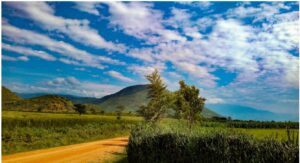 Welcome to the land of lush landscapes, breathtaking wildlife, and vibrant cultures – Uganda! Nestled in the heart of East Africa, this enchanting country offers a myriad of experiences for travelers seeking both adventure and tranquility. From its diverse wildlife to its warm and welcoming people, Uganda is a destination that will leave you spellbound. In this blog, we’ll delve into the wonders of Uganda, highlighting its captivating attractions, and explore how backlinks outreaching services can enhance your travel experiences.




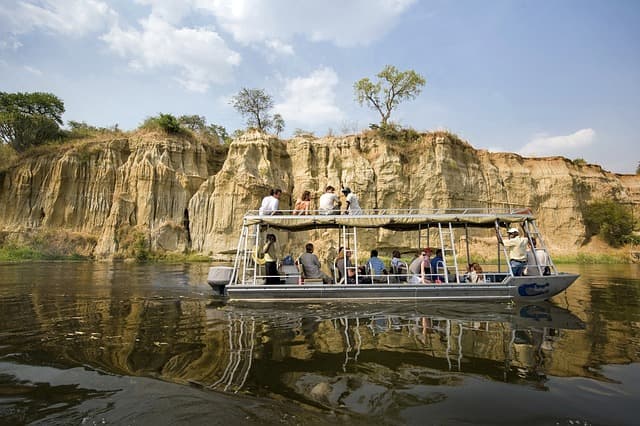
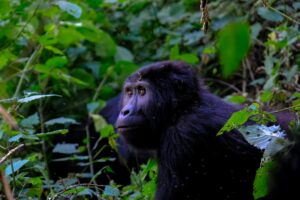 Uganda, the Pearl of Africa, is a land of breathtaking landscapes and rich biodiversity. One of its most captivating treasures is the endangered mountain gorillas. Trekking to see these majestic creatures in their natural habitat is an experience that will leave you in awe. Let’s dive into the adventure of discovering Uganda’s primate paradise through trekking to the mountain gorillas.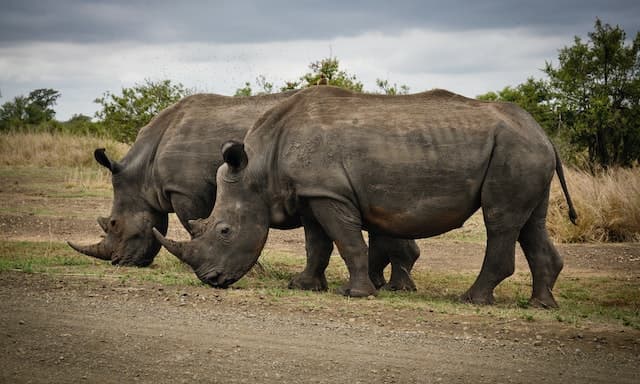




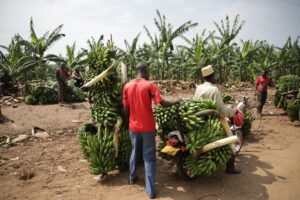 Uganda is a country with a rich and diverse culinary culture, offering a range of delicious starters and snacks that are perfect for tourists to sample during their visit. Whether you’re exploring the bustling streets of Kampala or the scenic countryside, there are plenty of opportunities to discover Uganda’s food scene’s unique flavors and textures.
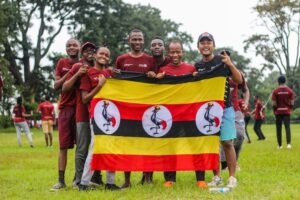 The entrepreneurial environment in Uganda has flourished in recent years and has had a substantial impact on stimulating economic growth in the nation. The promotion of entrepreneurship and the growth of small and medium-sized enterprises (SMEs) in Uganda has been a collaborative effort between the government, private sector, and development organizations. Let’s delve into the various programs, policies, and initiatives implemented to boost entrepreneurship and examine their impact on the economy and entrepreneurs.

 One benefit of traveling is the chance to try new things and see how other cultures live. Immersing yourself in different cultures can cause culture shock, but it can also help you learn new skills and find out more about yourself. Most of the time, the best way to learn about a new place and culture is to stay there for a long time. While a short vacation might give you a taste of the place you’re going, student or work exchange programs give you the chance to fully experience a new culture. These kinds of chances give you a network of people to help you get used to your new environment and make it a lot less scary.